Pages Menu
Categories Menu

Posted by on May 29, 2021 in Technology | 0 comments

Artificial Intelligence In Business

Artificial Intelligence In Business

AI is a term that encompasses a wide range of cutting-edge technologies, including machine learning, natural languages processing, and computervision.  The Best AI for coding can automate work and streamline it.

The most advanced AI would be able to understand the world and people, but this is still a long way off. Most AI is reactive, and focuses on completing one specific task.

Definition

Artificial intelligence (AI), also known as machine-based systems, mimics human thinking processes. It’s been used for many tasks, including natural language processing, pattern recognition and automated learning. In business, AI is being used to improve efficiency, automate routine data work and drive innovation.

Best AI for coding

The goal of artificial general intelligence — or AGI — is to create machines that understand the world and other entities that exist within it, such as humans. AGI would be the highest form possible of AI. It would also represent a significant step forward in technology. AGI is still a far-off reality.

Despite AGI’s promises, the current state is much more limited that what is typically depicted in popular culture and media. Search engines that give you results based on previous interactions, such as Siri and Alexa, or generative text, such as news articles or posts on social media, are examples.

The use of AI has benefits, much like any other technology. AI’s pluses include its ability perform complex, repetitive task faster and better than humans; its ability to learn from past mistakes and the speed at which data is processed.

History

In the 1990s, AI was a major factor in slowing progress. The 2000s saw significant advances with the likes of IBM Watson, voice assistants by Apple, Amazon, and Google, facial detection and deepfakes as well as autonomous vehicles, content and image creation, and IBM Watson.

AI is now a commonplace in the world of business. In fact, a majority of respondents to the 2019 Global AI Survey report that their organizations have applied some form of AI in their products or services. AI is a part of many products in the technology industry. It is used to perform functions like product and service development and marketing and sales. Machine learning, a key component of AI, requires a separate set tools, hardware, and software. These tools include data science platforms, programming languages, and specialized equipment. Companies that use AI systems must also be aware of the limitations and design their systems with integrity. This will prevent them from being prone to bias, errors, and other weaknesses.

Applications

AI is used by businesses across industries to automate tasks that would otherwise have been performed manually. They use it to assist with customer service, product design, and research. Depending on how sophisticated the AI is, it can even take over certain processes and perform more advanced tasks that would be difficult for humans to complete, such as planning and decision making.

The four major types of AI are Machine Learning, Natural Language Processing (NLP), Computer Vision and Robotics. Machine Learning is a subset of Artificial Intelligence that uses algorithms to enable computers to improve their performance without explicit programming. It can also be used to create a chatbot that can interact and answer questions. NLP is a branch of AI that focuses primarily on enabling machines understand and interpret human languages, such as text commands or voice commands. Computer Vision is an AI subset which enables computers understand and interpret visual data, such as video or images. Robotics combines AI with mechanical engineering to create intelligent machines capable of performing tasks autonomously.

Some of the most prominent applications of AI are predictive search and data analysis, voice recognition, facial recognition, language translation and augmented reality. These technologies are used by companies to improve user experience and increase revenue. For example, Google’s predictive search algorithm analyzes past search trends to suggest what a user might type into the search field.

AI is being used by many other organizations to monitor remote workers and facilities. They’re using AI software to process data gathered by endpoint devices such as cameras, thermometers and motion detectors. These systems can identify problematic behaviors or dangerous conditions and alert employees. Some systems can even take corrective or preventative actions.

In other industries, robo-advisors rely on AI to make investment decisions for clients. Banks and credit card firms use it to detect fraudulent activity and assess loan applicants’ risk levels. Medical providers use AI to diagnose diseases and transcribing patient records. AI’s ability to perform these tasks has improved, but experts say it can’t replace humans yet in certain highly skilled jobs like writing and creative work.

Read More

Posted by on May 9, 2021 in Technology | 0 comments

What Includes IT Support?

What Includes IT Support?

IT support includes assisting users with software and hardware problems. This includes troubleshooting issues such as password problems, network connectivity and software applications.

IT support Pittsburgh are responsible for ensuring that businesses adhere to industry regulations and cyber security. Moreover, they help companies maintain efficient IT systems that enhance productivity and provide competitive advantages.

Business Continuity

Business continuity is an array of processes and protocols that are designed to protect a business’s operations in the event of a disaster. They also help it recover with as little downtime as possible. It includes everything from data recovery solutions and emergency response plans to backups and restoration strategies. It is a vital part of every organization’s risk mitigation program and should always be implemented, regardless of size or industry.

IT support Pittsburgh

IT support can assist with business continuity by providing the tools and platforms that enable the business to communicate, execute transactions, access and store data, and maintain the physical infrastructure behind its digital services. It can help to ensure that the network is secure and protected against hackers and other threats. This will allow the business to continue operating in the event a disaster.

A business continuity strategy should be developed in order to address any risks that could arise when a key business process fails. This includes the loss of reputation and revenue. It should also consider the impact of an incident on employees, customers, and the surrounding community. The plan should be tested on a regular basis to ensure that it is working properly.

The first step of a business continuity planning is to identify the critical business areas, and the functions which are essential to them. Next, determine the acceptable downtime for these areas and functions. This is important, as it will determine the level of services that can be provided if a disaster occurs.

Once the plan has been drafted, it should be documented and shared with all employees. It should also be reviewed periodically by the organization’s leadership team and other key stakeholders to ensure that it is up-to-date. In addition, the organization must be able to respond quickly in case of an actual catastrophe.

The organization must also have a designated group or person who will manage its business continuity program. It can be just one person for a small business, or a team of dedicated people for larger organizations. Software for business continuity management is available to help companies conduct BIAs and create and update plans. It can also be used to pinpoint areas of risk.

Security

IT support helps a company run smoothly and efficiently. It also provides a level of customer support that builds strong relationships and fosters loyalty. Like any other department within an organisation, IT Support is vulnerable to cyber attacks. It is therefore vital to protect IT services with secure measures.

A team of IT professionals who are effective can quickly resolve software and hardware issues, saving time for the other departments. They also minimize downtime. They are also responsible for performing regular maintenance tasks, including hardware upgrades and patch management. This ensures the computer system runs at its best, and is protected against security threats.

Cybersecurity is a serious concern for every business. Data breaches can have serious implications, including revenue losses, intellectual property theft and damage to a company’s reputation. A team of IT professionals can help prevent problems by implementing strong cybersecurity measures and performing regular security audits. These measures include firewalls, anti-virus software, and intrusion detection systems. They can also educate staff on cybersecurity best practices.

Another important function of IT support is risk management. They can assess the infrastructure of a business and make recommendations for improvements. This can be achieved by performing a network health check that includes scanning for vulnerabilities and identifying potential weaknesses. The IT team can then implement a solution to improve the overall security for the company’s computer systems.

IT support is an essential component of any organization, as it requires sensitive user access to their device or network. To avoid security risks and exposures, IT support teams must have the right privileged-access management (PAM). These controls should be designed to enforce least privilege, and should be layered with session management. This will ensure that IT staff can provide the service they require without exposing the organisation to additional threat vectors. IT support staff should be trained on how to recognize phishing and best password practices.

Reliability

As the world’s dependence on IT systems grows, reliability is a key component of business operations. IT support teams must ensure that critical services are always available and that any interruptions and glitches can be resolved as quickly and efficiently as possible. This is vital to maintaining customer satisfaction and avoiding financial loss. IT support specialists are also responsible for developing disaster recovery strategies to help companies recover from unexpected incidents.

IT support involves a range of activities, including responding to user-reported issues, providing on-site assistance, and ensuring that hardware and software are functioning properly. They can also assist with technical troubleshooting, and provide guidance on using existing technology to improve productivity. They can also train employees on new software and procedures, or help them understand their IT tools.

Aside from assisting with technical problems, IT support teams can also perform regular maintenance and monitor security to ensure that servers are operating correctly and that no data is being compromised. They can also create and maintain backups in order to minimize the impact of data loss, or system failure. They may even be able to handle tier 4, which involves hardware management, updating software, and installing security patches.

All computers and digital devices will experience frustrating technical glitches at some point. An IT support team can save time by identifying and fixing these issues before they become an issue for the rest of the company. They can also offer advice on implementing best practices to help users avoid these problems.

IT support teams need to invest in analyzing performance and evaluating systems, along with monitoring and identifying issues. They can use techniques like service level objectives (SLOs) and black box testing to determine where reliability improvements can be made. In addition, they can improve their response to critical events by using collaborative response methods like incident retrospectives.

Cost

It is essential to have the right IT support system in today’s technologically driven world. It can help minimize costs and optimize IT Infrastructure. This is particularly important for small business owners who can’t afford a full-time team of IT professionals. By leveraging new IT tools such as automation and Self-Service, you can reduce IT support costs, while allowing your staff to focus on more valuable tasks.

IT support costs vary based on the services provided and the size of the business. IT support typically includes helpdesk and troubleshooting issues with hardware and software. It also includes remote monitoring, and addressing IT threats. For large companies, it can include hardware and software management, implementing upgrades and providing training. It may also include creating software or providing maintenance services for existing products.

IT support can help you reduce costs by reducing redundant system. Many IT services offer an analysis of your existing IT infrastructure to identify any redundant systems. They can then recommend ways to streamline your IT operations and reduce costs by consolidating and simplifying software solutions.

IT support can also help you create disaster recovery and backup plans. These can save you from costly data loss and downtime, which can impact your business revenue and reputation. An experienced IT team can help you select cost-effective IT backup and recovery solutions that balance protection with affordability.

A professional IT support service can also help you achieve a competitive edge by helping you adapt your business technology to meet industry needs. They can advise you on new programs and technologies that will improve productivity and allow you to leverage your IT investment. They can train your staff in best practices, and help you implement improvements to your IT systems. IT support is also able to help you meet regulatory requirements. IT requirements are specific to many industries and must be met in order to avoid fines and legal issues. They can also help you create scalable IT systems that will accommodate growth.

Read More

Posted by on Apr 4, 2021 in Technology | 0 comments

What You Should Know About A Dell Computer

What You Should Know About A Dell Computer

Dell Computer offers a wide variety of products. It is a company which always tries to satisfy its customers.

Dell pioneered an innovative distribution model that enhanced the value of PCs for customers by eliminating costly intermediaries and providing PCs tailored to specific computing needs. This strategy led the company to boom in business during the 1990s.

Laptops

A pc Dell is a portable personal computer, also called a notebook. It is usually a clamshell with a flat-panel display on the inner lid of the upper lid, and an alphanumeric keypad and pointing device inside the lower lid. It can be powered by battery or AC power, and run on a mobile operating software designed for this purpose or desktop computer software.

pc Dell

Most laptop computers are marketed on their portability. They are often less than two pounds in weight and compact enough to fit into a briefcase or backpack. Their AC adapters and battery can provide up to 15-hours of usage between charges. Technological advancements have improved their energy efficiency. These laptops are a great option for those who work away from the office or home, especially in areas with frequent power outages.

Laptops use processors specifically designed for mobile computing. This means they consume less power and produce much less heat. The result is that laptops are becoming smaller and lighter, and the high-end models can perform as well as desktop processors. Laptops can use USB and Thunderbolt hubs to expand their connectivity, and the majority feature displays with a refresh rate of up to 120 Hz.

Dell laptops are compatible with docking stations which provide additional monitors, audio ports and Ethernet ports. Connecting the laptop to a Dell Support Website and running Explore SupportAssist (for Precision, XPS and Latitude devices), Dell Command

Desktops

Many people prefer to buy a desktop over a laptop, because they want the speed and power that a desktop provides. Desktops are perfect for gaming. The ability to upgrade components such as the graphics card and processor is a great advantage.

Connect the Dell Computer to a video cord and then connect its other end to a video connector available on the projector or monitor. Video connectors vary from device to device, but the majority of monitors and projects use a standard set such as VGA (VGA), DVI (DVI), HDMI (HDMI) or DisplayPort(DP). Using the correct type of cable helps prevent video or display issues.

To create a daisy-chain setup, plug one end a DisplayPort into the DisplayPort out (5 in the below image) port of your computer and the opposite end into the DisplayPort IN (4 in the below image) port of your second monitor. Make sure that the last display in the chain is compatible with DisplayPort 1.2 mode.

Install the driver for multiple displays on your Dell monitor if your computer is not equipped with a ThunderBolt. You can also use a USB C to HDMI adapter to connect a laptop to an external projector or monitor. Instructions for this will vary depending on the model of your Dell monitor and the type connector you’re using. Most monitors and projectors work without installing drivers because of Microsoft Windows’s Plug and Play feature.

Gaming Computers

Gaming computers are personal computers that are configured for high-performance gaming. They differ from mainstream personal computers by using higher-grade components such as fast processors, large amounts of random-access memory (RAM), and dedicated graphics cards for rendering high-resolution games. They also feature advanced cooling systems that help prevent overheating during extended gameplay sessions. Gaming computer brands such as Dell’s Alienware, CyberPowerPC, iBUYPOWER, and CORSAIR offer both pre-built gaming computers and custom-configured models to suit specific gamer requirements.

While any Dell laptop or desktop can run most PC games, you need a powerful machine to handle the high-resolution visuals and processing demands of modern titles. The latest games require more powerful processors with more cores, larger memory capacities, and dedicated graphics processing units. You can upgrade both the CPU and the RAM in your Dell to improve the gaming performance of your computer, or you can buy a new graphics cards that offer more processing power.

To get the most out of your gaming experience, it is a good idea to regularly update the drivers for your computer and keep it free of clutter. In addition, you can optimize your system to improve gaming performance by adjusting game settings and closing unnecessary programs.

It is essential to choose the right peripherals when building a gaming computer, as they are necessary tools for controlling and navigating your game. Mouse and keyboards with responsive keys and buttons provide accurate control, while monitors with high resolutions and refresh rates deliver the best possible gaming experiences.

Many games have minimum and recommended specifications for RAM that you should meet to enjoy the game at its full potential. You can run more applications simultaneously on your Dell laptop or desktop by adding more RAM. This includes both gaming and non-gaming programs.

Alienware Area 51 can be a great gaming computer for those who want to save money. It’s also able to handle the high demands of today’s games. This powerful PC comes with a fast Intel Core i7 CPU and a Nvidia GeForce GTX1070 graphics card to deliver a smooth, realistic gaming experience. It also comes with Alienware Command Center and Alienware OC Controls, which allow you to manually overclock your CPU and GPU for even more gaming performance.

All-In-Ones

All-in one computers are an excellent choice for business owners looking to save on space and reduce clutter. They combine monitor, CPU and other components in a single package. They also use fewer cables compared to traditional desktop computers. They are also easier to setup and can help create a stylish, functional workspace.

Read More

Posted by on Feb 24, 2021 in Technology | 0 comments

Macierze dyskowe Dell – niezawodne rozwiązanie dla twojej firmy

Macierze dyskowe Dell – niezawodne rozwiązanie dla twojej firmy

Dlaczego warto wybrać macierze dyskowe Dell?

Współczesne firmy generują ogromne ilości danych, które wymagają bezpiecznego przechowywania, szybkiego dostępu i skutecznej ochrony. Macierz dell to nowoczesne rozwiązania stworzone z myślą o przedsiębiorstwach, które potrzebują wydajnej i niezawodnej infrastruktury IT. Dzięki innowacyjnym technologiom, wysokiej skalowalności i zaawansowanym mechanizmom ochrony danych, macierze Dell stanowią doskonały wybór dla każdej organizacji.

Najważniejsze zalety macierzy Dell

1. Wysoka wydajność i skalowalność

Macierze Dell oferują niezrównaną wydajność, dzięki czemu idealnie sprawdzają się w środowiskach wymagających dużej przepustowości danych. Dzięki możliwości rozbudowy i skalowania, systemy te rosną wraz z potrzebami firmy, eliminując konieczność kosztownych modernizacji w przyszłości.

macierz dell2. Zaawansowana ochrona danych

Bezpieczeństwo danych to priorytet dla każdej firmy. Macierze Dell zapewniają kompleksową ochronę dzięki technologiom takim jak:

  • Szyfrowanie danych – zabezpiecza poufne informacje przed nieautoryzowanym dostępem.
  • Automatyczne kopie zapasowe – minimalizują ryzyko utraty danych w przypadku awarii.
  • Redundancja RAID – zwiększa odporność systemu na uszkodzenia sprzętowe.

3. Łatwa integracja i zarządzanie

Macierze dyskowe Dell zostały zaprojektowane z myślą o prostocie użytkowania. Intuicyjne narzędzia do zarządzania pozwalają na szybkie monitorowanie i konfigurację systemu, co znacząco ułatwia pracę administratorów IT.

4. Efektywność kosztowa

Inwestycja w macierze Dell to oszczędność na dłuższą metę. Dzięki energooszczędnym technologiom, zoptymalizowanej wydajności i długiej żywotności sprzętu, firmy mogą znacząco zredukować koszty operacyjne związane z infrastrukturą IT.

5. Wsparcie techniczne na najwyższym poziomie

Dell oferuje kompleksowe wsparcie techniczne, obejmujące całodobową pomoc ekspertów oraz regularne aktualizacje oprogramowania, co zapewnia ciągłość działania systemu i maksymalną niezawodność.

Jakie macierze Dell wybrać?

Dell oferuje szeroką gamę macierzy dyskowych, dostosowanych do różnych potrzeb biznesowych:

  • Dell PowerStore – nowoczesne macierze all-flash, idealne do zaawansowanych zastosowań i przetwarzania dużych ilości danych.
  • Dell PowerVault – doskonałe rozwiązanie dla małych i średnich firm, zapewniające wysoką dostępność i łatwość zarządzania.
  • Dell PowerMax – rozwiązanie dla dużych przedsiębiorstw, oferujące najwyższą wydajność i zaawansowane funkcje ochrony danych.
Read More

Posted by on Dec 10, 2020 in Technology | 0 comments

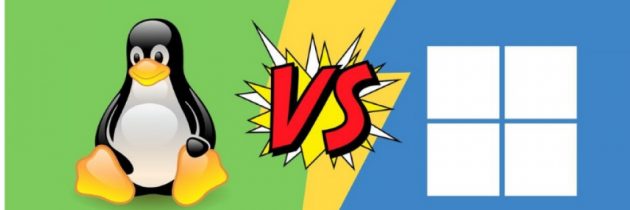
What are the essential advantages of using the Linux operating system?

What are the essential advantages of using the Linux operating system?

There are plenty of operating systems we can use today as per our requirements. Windows can be the most commonly used operating system all around the world. The advantages of Windows are certainly amazing, but you also need to introduce yourself to the Linux operating system. Compared to the operating systems like MacOS and Windows, LINUX operating system is a very improved open-source operating system. These days, people have started using Linux for running embedded systems, servers, and desktops. With this OS, you would be able to browse through www.golf-clubs.com/collections/golf-clubs-complete-sets and find the club set that you really like.
This particular operating system is a famous for its modular design and it additionally provides a number of variations and distributions. It might be easy for you to manage various programs such as file system, app scheduling, and process scheduling with the help of this operating system. If you are unable to determine if you should use the Linux operating system rather than other operating systems, here are the benefits of Linux you should know:

Greater security

Security is probably one of the most significant features we get through the Linux operating system. If you are a developer then LINUX operating system will let you have the best security for your programs. The admin user can authorize each application as per their requirements. The biggest thing about the Linux security feature is that it does not need any antivirus program.

It is lightweight

If you want to use an operating system that doesn’t occupy more space, then Linux is a very lightweight option for you. The disk space and memory footprint are extremely low war in this particular system. If you use the Linux operating system, 20 of the Linux distribution needed can be around 128 MB of RAM.

Higher flexibility

In terms of the flexibility, the Linux operating system is very flexible and can be utilized for server applications, embedded systems, and desktop applications. You do not need to install unnecessary components for a system.

Performance

Unlike other operating systems that you used today, the Linux operating system is known for its wonderful performance. It does not matter which kinds of network use, the operating system will give you a high performance. With the help of this operating system, it will be easy to handle a number of users simultaneously. With this OS, you’d able to play sports betting games via The Bay Arcade uninterrupted. 

Stability

When you want to use the best operating system, stability will be another feature you can look forward to get from this operating system. It does not need to reboot the system to preserve its performance levels. It might be rare to find this operating system getting slow down or hang up.

Privacy

If you are always worried about your privacy while using an Operating System, then this operating system will reduce such worries. The operating system does not collect much Private data of the users. When you use other operating systems, they will ask for additional user Private data.

Easy installation

Compared to other operating systems such as Windows, the Linux operating system takes less time to install. You need to provide less input for its installation.

Read More

Posted by on Nov 3, 2020 in Technology | 0 comments

How A 3D Printer Can Transform Your Ideas Into Reality

How A 3D Printer Can Transform Your Ideas Into Reality

The best 3D printers create prints that are smooth and require little tweaking. They should be simple to use and offer a high-quality printing at a fair price.

Imprimante 3d nantes can be a very useful tool for industrial design, architects, engineers, product testers, and anyone who needs to quickly make prototypes. These machines can also be useful for makers and do-it-yourselfers.

What is a 3D Printer?

3D printing creates three-dimensional objects by laying down successive layers of a material until the final object has been constructed. This technology allows users the ability to design and create complex shapes which are impossible to manufacture using traditional methods.

imprimante 3d nantes

The process to create a 3D-printed object begins with a model created by computer-aided design software. This file is then sent into slicing software which converts the file into a series a thin cross-sectional layered that can be understood by the printer. The printer then deposits the material at the exact locations specified by the slicing program. FDM is the most common 3D printing method. It uses melted thermoplastics filaments that are extruded from a nozzle, and solidify as they cool. Other common methods include stereolithography (SLA) and selective laser sintering (SLS), which use resin or metal powder.

The printed object may require additional steps such as sanding and painting. These steps can improve the quality and appearance a product. The process of 3D printing has also been used in a wide range of other applications, including creating positives for investment casting jewelry and dental appliances, as well as molds for custom parts.

With new printers, materials, and processes appearing constantly, the 3D printing industry is evolving rapidly. It is important for professionals to stay up-to-date with the latest developments in order to remain competitive.

In addition to the right equipment and software for 3D printing, it requires a unique mix of technical, creative and analytical skills. This combination of skills is needed to design and modify models in order to prepare them for 3D printing. It also helps you understand how different printing materials function and their properties.

Other important competencies for 3D printing include the ability to recognize and resolve design challenges, such as limitations imposed by build size or accuracy, and the understanding of the role of post-processing in the production of high-quality prints. Additionally, a thorough knowledge of workplace safety is crucial to ensure that the right personal protective equipment (PPE) is used when working with 3D printers and associated materials.

How do I use a 3D printer?

A 3D printer is an amazing bit of technology that can turn a digital design into an actual object. The printing process is a combination of high-end software, powder-like material and precision tools that transform an idea on a screen to three dimensions. 3D printing is a part of additive manufacturing, a larger manufacturing field that refers to building something by layering. Plastic is the most commonly used material for 3D printers. It can be molded to different shapes in order to create an item. Other materials include nylon which is durable and tough, and carbon fibre which is lightweight and strong.

To print something with a 3D Printer, you must first create the design on your computer using a 3D CAD software program. Once you’ve created a design for your 3D printer, you can send the file in G-code format. Some 3D printers come with slicer software which can take G-codes and print your desired model. Cura is a good choice because it is compatible with most 3D printers and can handle many models.

Once your model has been prepared for printing, the printer threads a spool (usually plastic) of filament through a heated nozzle. The filament is then laid out on a flat surface, layer by layer. The printer melts the filament into place and then lays down each layer on top of the one before. This process can take several hours or even days, depending on how complex the model is.

As the printing industry continues to grow, the potential applications for this technology are becoming more and more diverse. 3D printing has revolutionized the way we do business. It can be used to create a prototype or a replacement tool.

3D printing can be a creative hobby if you have the patience, space and ability to tinker that are required. It’s amazing to see a concept you created on your computer become something tangible.

What is the difference between a 3D Printer and a Laser Scanner?

Both 3D printing as well as 3D scanning are additive technologies. However, each has its unique advantages. 3D scanners can capture real-world items to create digital models. These models can then be converted into physical objects by a 3D printing machine. This synergy is a powerful tool for many different applications – from students studying detailed replicas of cultural heritage artifacts to businesses creating exact duplicate industrial parts.

The first step is to create a digital model for the object using software tailored to your printer. These programs convert the model into a format that the printer will understand, such as STL or AMF. The file is then loaded onto the printer which builds the object layer by layered using a material like liquid resin or metal powder. After the print is completed, the object can be removed from the printer to be post-processed.

A good SLA 3D printer or FDM can produce a high quality object with great accuracy. The quality of your digital design is therefore important. If you choose the right materials, a SLA or FDM 3D printer can produce a part that is more durable.

The printer market is constantly evolving. There are three types of printers: entry level ($200 – $400) home, hobbyist (from $300 – $1500), or enthusiast. There are printers that cost $3,000, but there are also models that cost more than $40,000. There are also industrial (3D printers which have large build areas). Each has its own benefits and drawbacks, but they all follow the same basic design principles.

Once the digital version has been created, the editing tools in the software allow you to modify it or add more details. Then, you can prepare the model to be printed by adjusting the resolution, size, and orientation based on your preferences, and the capabilities of your 3D Printer.

After you have finished printing, you can use sanding or painting equipment to finish the surface. Some of the more advanced printers even have built-in post-processing equipment such as UV curing stations or welding systems. Additionally, you will need supplies such as filaments and resins for your printer, cleaning supplies like isopropyl alcohol, and post-processing tools such as calipers and micrometers.

What is the difference between 3D printers and 3D scanners?

3D printers, scanners and other technologies are like peas and a pod. They offer limitless possibilities for transforming your imagination into reality. This dynamic duo is useful for many different applications. From prototyping, to creating custom parts, to improving production processes.

A 3D scan creates a digital object model that can then be manipulated, sliced, and viewed using software. A 3D Printer then uses the sliced digital models to reproduce and print the object, layer-by-layer.

A mesh-based 3D scan converts a physical item into a 3D model by creating a triangle network that defines the shape of the object. Using specialized software, this mesh can be analyzed, fixed, and edited. Mesh-based models can be exported in a variety of formats, including STL files, which are the standard file format understood by 3D printers.

GOM software not only allows users to edit their 3D models easily, but it can also improve the quality and speed of scanning data. This is achieved by automatically detecting and correcting distortions and noise in the resulting point cloud. GOM can also automatically perform a slicing procedure to create the optimal STL files for use with 3D printers.

Finally, GOM software can also help users optimize their 3D printing workflow by automatically adjusting several important parameters, such as the bed temperature, support structures (necessary for printing overhangs or bridges), and print orientation. These parameters can affect the strength and finish of the printed parts, and reduce the amount of support material and surface blemishes.

Read More